Bags Down First: A Calm Arrival Plan for Heathrow, Gatwick and St Pancras
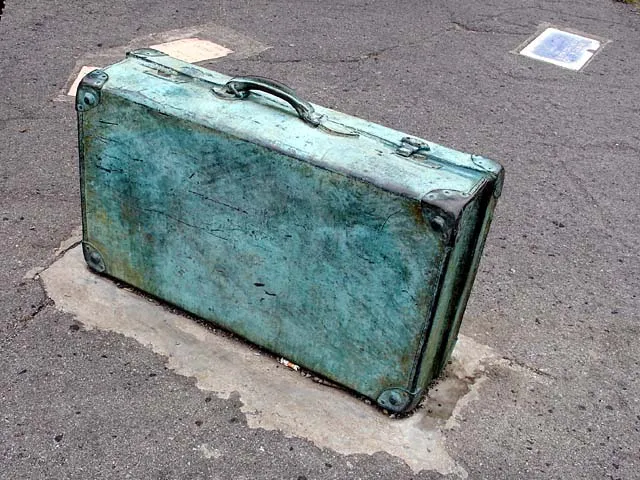
Photo: Linda Bailey, CC BY-SA 2.0, via Wikimedia Commons
Arrival is the first proper test of a London trip. You are tired, the wifi is patchy and your suitcase has suddenly developed a mind of its own. The mistake many visitors make is choosing the fastest route into central London without thinking about what that route asks of them: stairs, lifts, crowded platforms or a 15-minute walk at the wrong end.
A better approach is to plan luggage-first. Decide how much you are carrying, how mobile you will be at the time you land, and which station puts you closest to a bed or a cup of tea. Speed matters, but smoothness matters more.
Heathrow: match the line to your luggage
The Elizabeth line is the easiest all-rounder for many travellers. It is spacious, step-free at key central stations such as Paddington and Tottenham Court Road, and it drops you into the middle of London without the deep-tunnel feel of the Piccadilly line. If you are staying in the west or near the West End, it is a strong first move.
The Piccadilly line is cheaper, but it is not always kind to heavy bags. Heathrow terminals have lifts, but many central stations on the route do not offer step-free access, and the trains can be packed at peak times. If you are travelling with a backpack and arriving off-peak, it is perfectly workable. If you have two suitcases and a child, think carefully.
Heathrow Express is the fast option to Paddington, and it is good if your hotel is right there or you are happy to pay for speed. The coach to Victoria is cheaper but subject to traffic, which is the last thing you want after a long flight. A taxi is the most expensive option, but for a family, a late arrival or a hotel far from a sensible station, it can be the calmest choice.
Gatwick: quick trains, busy platforms
Gatwick Express gets you to Victoria quickly, and it has luggage space, but Victoria is a busy station and the final walk to your hotel can undo the benefit if you are loaded down. Southern trains to Victoria or London Bridge are often cheaper and can be just as sensible. Thameslink is useful for St Pancras, Farringdon and Blackfriars, especially if you are heading north or east, but the trains are not always designed with huge suitcases in mind.
The coach to Victoria is a budget-friendly option, though again traffic can stretch the journey. A pre-booked taxi or private transfer makes sense if you are arriving late, travelling with children or staying somewhere awkward to reach with bags.
St Pancras: do not fight the escalators
St Pancras International is a wonderful arrival point, but it is also a big station with long walks. If you are coming off Eurostar, use the lifts rather than wrestling bags onto escalators. If your hotel is within a 10-minute walk, walk. If it is not, take a taxi from the forecourt or use King's Cross St Pancras when the station is not in the middle of its rush-hour crush.
There is left luggage at St Pancras, which is a useful release valve if you arrive before check-in. Book ahead if you can, especially at weekends. The same goes for Victoria, Paddington, London Bridge and Waterloo: station left-luggage offices and apps such as Stasher or Bounce can save you from dragging bags to lunch.
The left-luggage move
If your hotel room is not ready, do not take your bags to a café or a museum. Drop them. Keep your passport, phone, medication and a change of clothes with you, and send the rest into storage. It is one of the simplest ways to make arrival feel like the start of a trip rather than a baggage-handling exercise.
Use official station left luggage where possible. If you use a shop or hotel via an app, check the opening hours and the reviews, and make sure you can get back for your bags before you need them. A cheap storage option that closes at 17:00 is no use if your train is at 20:00.
A first-day plan close to your arrival point
The best first day in London is often a small one. Do not land at Heathrow and immediately try to see the Tower of London, Covent Garden and a West End show. Pick a patch near your hotel or your arrival station, drop the bags and go for a gentle walk with a tea stop.
If you arrive at Heathrow and stay near Paddington, drop your bags and walk the canal towards Little Venice. If you are heading to Tottenham Court Road on the Elizabeth line, stay local in Bloomsbury: tea, a short walk around the squares, and an early dinner. If you arrive at Gatwick and end up at Victoria, walk towards Pimlico or Tate Britain rather than crossing the city. If you arrive at St Pancras, Granary Square and Coal Drops Yard are right there, with the canal for a gentle stretch of the legs.
The aim is to be outside, moving slowly and near your bed. You will see more of London tomorrow if you are not already exhausted by the time you check in.
Luggage-burden cheat sheet
Two suitcases plus a child: choose the Elizabeth line, a pre-booked taxi or a hotel near the terminal. A backpack and a sense of adventure: the Piccadilly line is fine outside peak hours. Arriving late: pre-book a taxi or stay near the airport. Arriving at peak time: avoid the deepest, busiest interchanges with bags. Need a stop before check-in: use station left luggage and keep your first walk local.
London is much easier when you stop treating arrival as a race. Bags down first, tea second, sightseeing third. That is the order that makes the rest of the trip feel lighter.