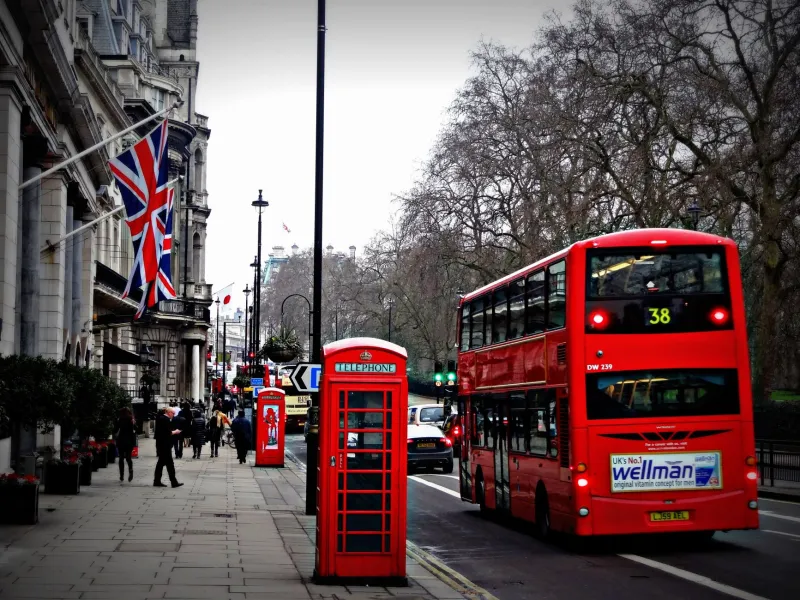
Arm Out, Eyes Up: Flagging Down a London Bus Without the Guesswork
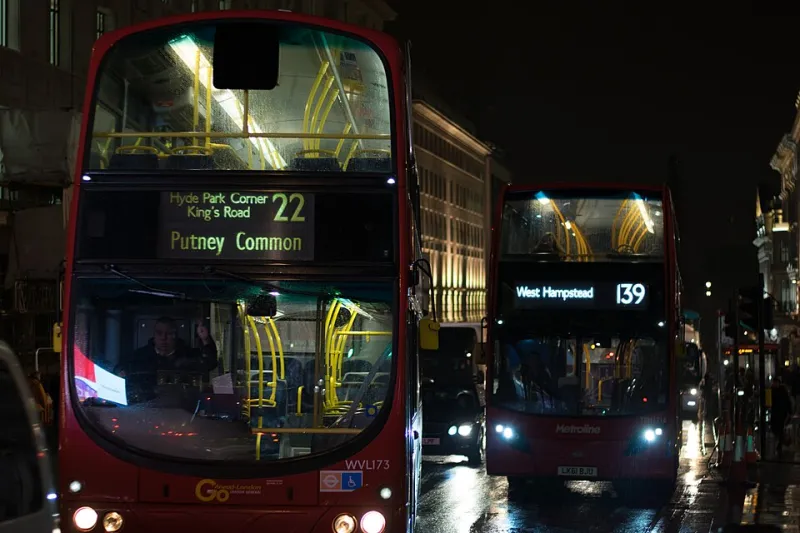
London buses don't stop by magic. This is the practical routine for request stops, stand letters, route suffixes and night buses, so you never watch your bus sail past.
Smoother London trips, from Tube to tea.
London buses don't stop by magic. This is the practical routine for request stops, stand letters, route suffixes and night buses, so you never watch your bus sail past.

A station-by-station plan for comfort stops at Euston, King’s Cross, Waterloo, Paddington, Victoria and Liverpool Street—without turning a tightly timed London day into a toilet hunt.
A card or phone that suddenly says no at a London barrier is annoying, not trip-ending. Here is a calm, practical recovery plan for Tube gates, bus readers and the moments in between.
Most London itineraries obsess over which train or Tube line to take, then undo the good work by surfacing on the wrong side of a station. This is a practical 2026 look at choosing the right exit — and the street-level clues that tell you when the obvious door is the wrong one.
The famous gap is a warning, not an instruction manual. The rules that actually keep London moving are quieter: stand right, let them off first, and learn to read a bus stop that looks like a scrum. Here's how the city's silent choreography works — and the three habits worth mastering on a short trip.
London queues can swallow a day before you have seen anything. This is a practical, slightly contrarian guide to knowing when to stay in line, when to walk away, and where to go instead.
Timetables measure interchanges in minutes; stations measure them in lifts, footbridges and the length of a suitcase. As the winter timetable settles in and the days get shorter, here is how to tell a change that holds together from one that quietly costs you an afternoon.
Your phone runs out somewhere between the Jubilee line and a hotel front door, and suddenly every plan you made lives inside a black rectangle. This is the paper-and-ask version of a London day, built around a physical bank card, a printed ticket and the person in the hi-vis jacket at the gate line.
Some of central London's most popular Tube journeys take longer than putting one foot in front of the other. Here's the two-stop rule, the station pairs it applies to, and the days you should ignore it entirely.
Arriving early for a train should feel like a small holiday, not a penance. Five London terminals, five nearby boltholes with seats, sockets and a decent flat white — plus honest walking times back to the platform.
You do not need a ticket, a queue or a timed slot to see London at its best. This early-morning route pairs three free viewpoints with simple Tube and walking timings, a good coffee stop and a low-cost plan that still feels like a proper day out.
A step-free London day is not about finding one accessible train and hoping for the best. It is about building a chain of lifts, buses, buffers and backup plans that can survive a broken lift or a busy platform. This is a practical route from St Pancras to the South Bank, with honest advice for luggage, buggies and mobility needs.
The fastest train is not always the easiest one with a suitcase. This arrival guide compares rail, coach and taxi options by luggage burden, flags the stations that make life simpler, and suggests a first-day tea-and-walk plan close to your hotel rather than across the city.
The best London day out is not the one with the most pins on the map. It is the one that still works when the Piccadilly line has a moment. Here is how to build in realistic door-to-door time, choose better-connected stops, and keep a nearby backup ready.
The last Tube has gone, the show crowd has spilled out and your phone is at 12%. Here is how to get back to your hotel after midnight without paying a fortune or feeling unsafe. It covers Night Tube lines, night buses, luggage-friendly routes and the moment when a taxi is worth the money.
A wet forecast does not have to mean a wasted day. This compact route links eight indoor stops with one short Tube hop, sensible walking distances and proper tea stops. It is built for the kind of London rain that soaks your shoes rather than cancelling the city.
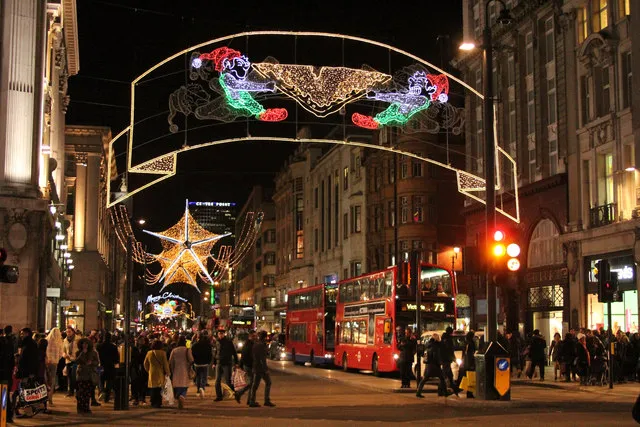
A weekday-evening loop that links Oxford Street, Regent Street, Covent Garden and the South Bank without endless backtracking. It uses short Tube hops, quieter side streets and sensible timings to keep the sparkle and lose the crush.
A six-stop tea crawl that uses ordinary London buses instead of the Tube, with contactless fare caps, low-floor access and a sensible plan for delays or drizzle. Expect proper tea, old-school cafés and a very civilised day out.