One Card Each, One Less Argument: A Group Day Out in London

Photo: Jules Verne Times Two, CC BY-SA 4.0, via Wikimedia Commons
Group trips have a way of collapsing into admin at the worst moment. Six people, three arrival times, one person who has left their bank card at home, and a train to catch. The fare bit should be the least interesting part of the day. Get it settled before anyone reaches a ticket machine, and London becomes a lot more straightforward.
One person, one card — and no group cap
Contactless capping is personal. Each card or device has its own daily cap; there is no family cap or group cap that pools everyone's taps. If six of you tap six cards, you get six separate caps. That is fine — it is often the cheapest simple option — but it means nobody can 'pay for the group' by tapping everyone through with one card. The gateline won't accept it, and the maths won't work.
Agree before you meet: everyone uses their own contactless card or phone, and sticks to it. Don't swap between a physical card and a phone halfway through the day if they are linked to the same account; pick one and keep it consistent. Same for children old enough to tap.
Children, Railcards and the fares that don't sort themselves
Under-11s generally travel free on TfL services when accompanied by an adult, which is one of the better group discounts in London. Older children are where the faff creeps in. An 11-15 year old will not get a child rate just because they look young; they need a Zip Oyster photocard, a Young Visitor Discount arranged at a station, or a child ticket. Sort that at the start, not at a barrier with a queue behind you.
Railcards are similar. A Family & Friends Railcard can be excellent value on the National Rail part of the trip, but the discount does not automatically attach itself to a plain contactless bank card. Link it to an Oyster card or buy the paper ticket that carries the discount. If your day is mostly Tube and bus, a Railcard may do nothing at all; if you are coming in from outside London, it may change the whole plan.
Pick a meeting station that forgives a late train
The best group meeting point is not the most central station. It is the one with one obvious place to stand, toilets, coffee, and a staffed presence if someone's card misbehaves. A big terminus such as Waterloo is a decent default: National Rail and Tube in one place, a wide concourse, and enough coffee to absorb a ten-minute delay.
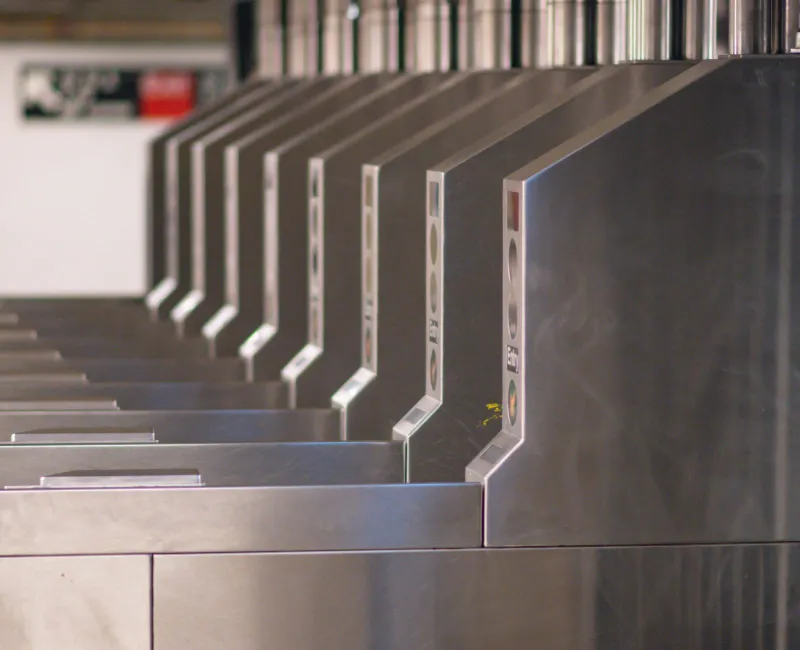
Don't arrange to meet at the barriers. They are narrow, busy, and designed for movement, not hugs and bag swaps. Pick a named shop or a concourse clock, and send a pin. If half the group is coming from the north and half from the south, a station where everyone changes once is better than a romantic idea about meeting in Covent Garden.
Splitting the cost without a spreadsheet
The simplest cost split is the one where nobody has to be treasurer. Each person pays their own contactless fares, and the group only pools money for things that are genuinely shared: a table booking, a round of teas, the odd taxi. If one person books a group National Rail ticket or a restaurant deposit, settle it with one rounded transfer rather than a running list of pennies.
Travel with a small kitty if you like — cash or a notes app — but keep fares out of it. Fare admin is where group trips go to die.
When a paper Travelcard or group deal still makes sense
Contactless is the default for good reason, but it is not a religion. Check the alternatives if you are a large party or a fixed-itinerary party. Groups of 10 or more can look at TfL's group travel arrangements, which can be cheaper for organised journeys but need planning. Groups of three to nine adults travelling together off-peak on National Rail should check GroupSave for the rail leg; it will not help you hop on the Tube, but it can cut the cost of getting into London.
A Day Travelcard, where available, can still be sensible for someone without a contactless card, a visitor whose bank charges foreign transaction fees, or a group doing a very fixed all-you-can-ride day. The test is simple: if the paper ticket is cheaper or removes a queue, buy it. If not, tap.
The five-minute pre-meet checklist
Before the day: make sure every adult has a contactless card or phone with enough battery. Sort child fares. Decide the meeting point by name, not by vibe. Agree that each person taps their own card. Check whether any Railcard or GroupSave ticket needs booking in advance. And give one person the job of checking the TfL status page — not because they are the boss, but because someone has to.
Then stop talking about fares. London is much more enjoyable when the only thing the group has to split is a plate of chips.