The Fare Matrix: When Tapping Your Card Is the Wrong Move in London
London’s fare system is less a price list than a set of switches. Tap the wrong one and you’re not exactly ripped off — you just pay for a decision you didn’t make. In 2026 the default is strong: contactless is quick, capped and hard to beat for a straightforward city break. But “default” is not the same as “always cheapest”. The savings usually come from three things: timing, who is travelling, and whether you’re doing enough journeys to hit a cap.
Start with the cap, not the single
A contactless card or phone is the easy London answer because you don’t have to think about tickets. Tap in, tap out, and the system applies the relevant single fare. If you make enough journeys in one day, it stops charging you at the daily cap. If you travel across a week, contactless also has a Monday-to-Sunday weekly cap. That is a genuinely useful safety net.
The trap is buying a Travelcard or paper ticket because it sounds more organised. For a short stay, it often isn’t. The cap is a ceiling, not a target. If you only make two off-peak Tube journeys in a day, you pay for two journeys — not the full cap. A paper Day Travelcard only starts to make sense when your journey pattern is heavy, awkward, or includes a discount that contactless cannot apply.
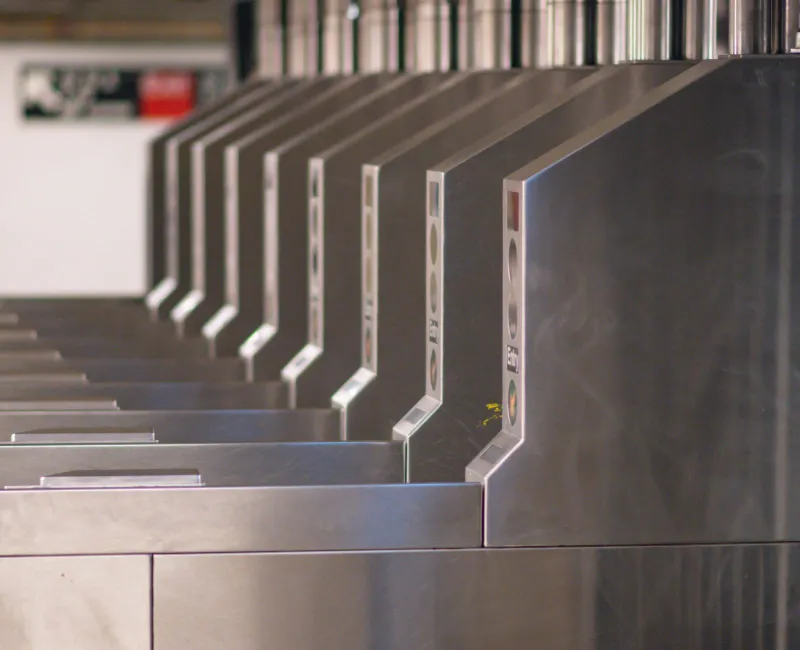
One rule that catches people out: one card per person. You cannot share one contactless card between two adults. If you tap the same card twice at the same gate, you can end up with incomplete journeys and a headache at the barrier. Couples need two cards, two phones or two watches — or an Oyster each.
The off-peak switch is worth more than the ticket type
Peak fares generally apply on weekdays from 06:30 to 09:30 and from 16:00 to 19:00. Off-peak is everything else, plus weekends and public holidays. Always check TfL before you travel, because exceptions and engineering works happen, but that is the shape of it.
A 09:35 tap can be cheaper than a 09:25 tap. If your first stop is a coffee and a walk rather than a rush-hour Tube, you may save without changing your day much. The same applies to leaving a museum after 19:00 instead of joining the 17:30 crush. But if you’re making enough journeys to hit the daily cap anyway, the off-peak saving can disappear into the cap. Timing matters most when you’re doing a small number of journeys, not a full day of hopping about.
For the maths below, I’m using rounded illustrative figures: a zone 1–2 peak single around £3, an off-peak single around £2.80, a daily cap around £9, and a Railcard-discounted Oyster off-peak single around £1.85. Treat them as a working example, not a price list. Check the live numbers on TfL’s fare finder before you rely on them.
Worked example: the solo visitor
Imagine a solo visitor staying three days in zone 1–2, making four Tube journeys a day, all off-peak.
On contactless, four off-peak singles at £2.80 would be £11.20 — but the daily cap steps in at £9. Over three days that’s £27. If one day only has two journeys, you’d pay £5.60 instead of the cap, so the total drops. That’s the cap doing its job: it protects the heavy day without punishing the light one.
Now suppose the visitor is eligible for a National Rail Railcard and already has an Oyster card. Railcard discounts can be loaded onto Oyster for off-peak pay as you go on Tube, DLR, London Overground, Elizabeth line and some National Rail services. At the illustrative £1.85 per journey, four journeys a day is £7.40 — under the cap. Over three days that’s £22.20, a saving of £4.80 before any Oyster card fee. If you have to buy the Oyster specially, the saving shrinks. For a longer stay, it starts to look much better.
So: short trip, contactless. Longer trip and Railcard-eligible, check whether an Oyster with the discount loaded beats the cap.
Worked example: the couple
Two adults, a weekend in zone 1–2, five journeys each over two days.
If Saturday has three journeys each, that’s £8.40 per person at the illustrative off-peak single — just under the £9 cap. Sunday with two journeys each is £5.60 per person. Total for two: £28.
If Saturday stretches to four journeys each, both hit the £9 cap: £18 for the pair. Add Sunday’s £11.20 and you’re at £29.20. Still not bad, but notice what did not help: trying to use one card for both people. That doesn’t create a couple’s discount. It creates incomplete journeys.
A paper One Day Travelcard for two adults will usually cost more than two contactless caps for a zone 1–2 weekend. The sensible couple’s move is boring but effective: separate cards, off-peak timing where it fits, and let the caps do the arithmetic. If one of you has a Railcard, load it onto that person’s Oyster for off-peak travel — don’t expect contactless to apply it automatically.
Worked example: the family
This is where the cheapest answer is often not a ticket at all. Two adults, a 10-year-old and a 13-year-old, two days in zone 1–2.
Children under 11 generally travel free on Tube, DLR, bus and tram when accompanied by an adult. The 13-year-old needs a Zip Oyster card for child-rate travel; apply before the trip if you can. Contactless does not magically apply child fares, and tapping an adult card for a child is an expensive way to learn that.
Using the illustrative adult cap of £9 per day, two adults over two days is £36. The 10-year-old is free. The 13-year-old with a Zip Oyster pays the child-rate cap, which is lower than the adult cap. If the Zip hasn’t arrived in time, a paper child Day Travelcard can bridge the gap — but it’s a backup, not the plan. The family saving isn’t a special family ticket; it’s the free under-11s and the Zip card doing the work.
When paper actually earns its place
Paper tickets are not the bargain bin, but they are not useless either. They can make sense for a child travelling before a Zip card arrives, for a journey where you specifically need a paper receipt, or for certain Railcard-discounted Travelcards. They can also matter if your National Rail ticket includes a cross-London transfer — check the ticket before you tap, because you may already have the Tube leg covered.
What paper rarely beats is a simple zone 1–2 visit with contactless. The barrier-side queue, the machine that only takes coins, the ticket that gets demagnetised in your pocket: none of that is a saving.
The 2026 checklist
One card or device per person. Shift to off-peak if your day allows it. Let daily and weekly caps protect you, but don’t buy a Travelcard just to feel prepared. Sort children’s Zip cards before you travel. Load a Railcard onto Oyster only if you’ll do enough off-peak journeys to beat the cap and cover the card fee. And treat paper as a niche tool, not the default.
London fares reward a little planning, but not much. Usually the best decision is the dull one: tap separately, travel off-peak when it suits, and check the cap before you buy anything fancier.