A Sunday With Slack: Building a London Day That Survives Engineering Works
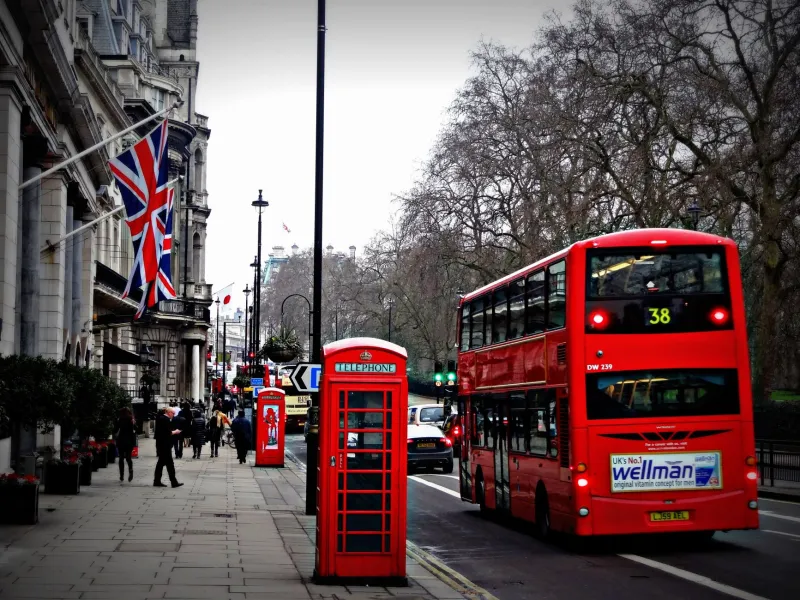
Sunday in London can be the best day of the week: quieter pavements, a slower first coffee, and a city that feels less like a commuter machine. It is also the day when TfL likes to lift tracks, close a branch line and park a replacement bus outside a station with a sign that seems to point in two directions at once. Add in a late start and a plan that looked tidy on Friday can feel wobbly by 10am.
The answer is not to abandon the day. It is to build a Sunday with slack in it.
Read the status page like a local, not a pessimist
Before you leave the house, open the TfL website or TfL Go and look at the actual wording. A good service is good service. Minor delays are usually survivable. What matters more on a Sunday is the planned engineering work: part closure, no service between two stations, or a replacement bus running instead of trains.
Read the direction and the branch, not just the line name. The Northern line is not one thing. The District line is not one thing. A closure between Moorgate and London Bridge affects a different day out from a closure between Earl's Court and Richmond. If the status says a station is closed, check whether it is the whole station or just one entrance. If it says trains are not stopping, that is a different problem again.
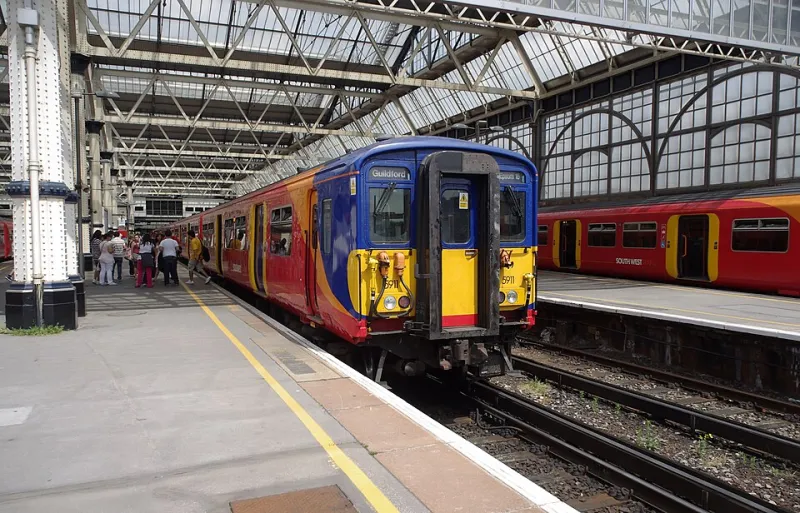
Also check National Rail. Sunday engineering work often hits the Overground and National Rail services that quietly fill the gaps in the Tube map. A quick look at Southeastern, South Western Railway or Greater Anglia can save you from standing on a cold platform watching a replacement bus timetable that has already given up.
Screenshot the useful bits. Signal comes and goes, and there is something reassuring about having the fallback route in your pocket rather than reloading a map outside a station with 4% battery.
Start later, but anchor earlier
Sunday services can start later than weekday ones, especially on some outer branches. If you are not moving until 10am, this may not touch you at all. The bigger risk is over-planning. Do not book a 9.30 brunch across town and assume the Victoria line will behave like a Tuesday.
Give the day one anchor and two loose ends. The anchor might be a market, a gallery slot, a lunch booking or meeting a friend. The loose ends are the things you can move, drop or replace. Aim for your first proper stop around 10.30 or 11, and leave 30 to 45 minutes of padding before anything timed.
This is not about being pessimistic. It is about making the day robust. A Sunday with one fixed point and a bit of room around it can absorb a delayed train, a crowded replacement bus or a sudden decision to walk instead.
Build a route with a second way home
A resilient Sunday route usually follows a corridor rather than a single line. Think in areas, not stations. Borough Market and the South Bank sit close enough to be one afternoon. King's Cross, Coal Drops Yard and the canal are another. If one leg fails, you want to be able to walk, hop on a bus or pick up a National Rail train without rewriting the whole day.
Short central Tube hops are often the first thing to cut. If you are going two stops, the walk is frequently quicker and always more predictable. If you are going three or four stops and the weather is grim, a bus is a decent middle option. Use the Tube for the long, boring part of the journey, not the bit where you are already nearly there.
National Rail is the quiet hero of Sundays. London Bridge to Charing Cross, Waterloo to Vauxhall, Victoria to Clapham Junction: these little hops can rescue a day when the Tube is part suspended. They are not always obvious on a Tube map, which is exactly why they are worth remembering.
Replacement buses: plan for the faff
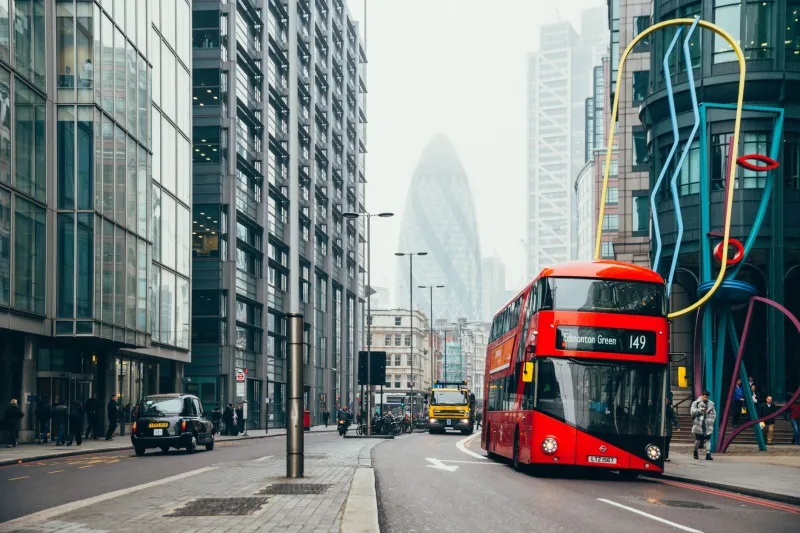
A replacement bus is not a taxi with a TfL logo. It stops more often, moves more slowly and may not leave from the spot outside the station where you expect it. Add 20 to 30 minutes to whatever the timetable suggests, and then add a bit more if you are changing from train to bus with luggage or children.
Find the stop before you need it. Staff are usually the fastest source of truth, followed by signs and the TfL Go app. If the bus is full, let it go. If two go past without space, switch plans. Waiting for a third is how a Sunday afternoon disappears.
And if the replacement bus is crawling through traffic while a National Rail station sits nearby, bail out. A ten-minute walk to a train can beat a 35-minute bus ride that is going nowhere.
A worked example: Highbury to the South Bank
Let us say you wake in Highbury & Islington. You are meeting a friend at Borough Market at 11, then walking along the South Bank to Tate Modern. At 8.30am, the status page says the Victoria line is fine, but the Northern line has a part closure between Moorgate and London Bridge. Your simple plan, Northern line to London Bridge, is gone.
Plan B: Victoria line south to Green Park, then Jubilee to London Bridge. That is still a clean route, with one change. If the Jubilee is queueing badly at Green Park, do not stand there getting grumpy. Walk to Piccadilly and pick up a bus, or take the Victoria line to Oxford Circus and reassess over coffee.
Plan C, the blunt instrument: the 43 bus from Highbury & Islington towards London Bridge. It is not fast, but it is direct enough to be useful when the Tube is misbehaving. On the way home, walk from Tate Modern to Waterloo and take the Jubilee back to Green Park, then the Victoria line north. If the Jubilee is also struggling, the 43 is your fallback again, or you can use National Rail from Waterloo East to London Bridge if that side of the network is behaving.
The point is not that this exact route will work every Sunday. The point is that you had a Plan B and a Plan C before you left the house.
When to walk, when to wait, when to stop
Walk if the distance is under about 20 to 25 minutes and you are not carrying much. Bus if you are doing two or three Tube stops in bad weather. Wait for the Tube if the alternative is a 40-minute replacement bus and you are not in a hurry.
If two routes fail in a row, stop. Find a cafe, sit down and look again. Sunday is not the day to white-knuckle your way through the network. A slower day that holds together is better than a fast one that falls apart.
The Sunday kit
Keep it simple: a charged phone, a contactless card or phone wallet, a screenshot of your route and a layer you can take off on a warm bus. Check the status once before you leave and once again at your first stop. That is usually enough.
The best Sunday plan is not the quickest one. It is the one with enough slack to bend when the tracks do not go where you expected. Build that in, and engineering works become an annoyance rather than the main event.