When Winter Edits the Route: A Cold-Snap Playbook for London Days
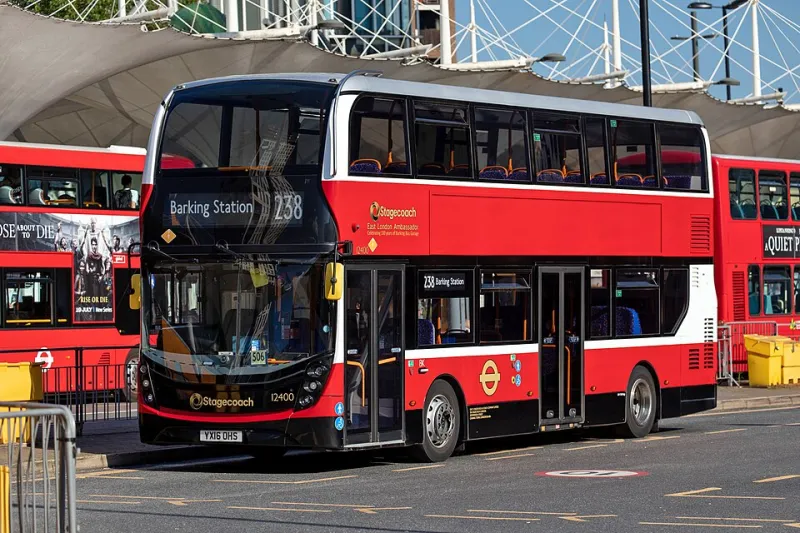
Photo: km30192002, CC BY 2.0, via Wikimedia Commons
The first cold snap of winter 2026 will not shut London down. It will do something more annoying: make the simple bits slightly harder. A bus that does not come. A pavement that looks wet but is actually ice. A fog delay on the surface lines while the Tube runs fine. The trick is not to build a heroic winter itinerary. It is to build one with enough slack that winter can edit it without ruining it.
Start with two screens, not one
Before you leave, check the weather and the TfL status page together. They answer different questions. The forecast tells you whether to wear the shoes with grip. TfL tells you whether the route you planned is still doing what it promised.
Look only at the lines and bus routes you actually intend to use. A good service on the Victoria line is no comfort if your branch of the Overground is part suspended. On the TfL Go app or the status page, pay attention to the timestamp. A notice from an hour ago may already be out of date, especially when fog or ice is moving across the city.
Tube, bus or feet: a winter triage
Think in three buckets.
The Tube is usually the safest bet in cold, fog and early darkness. It is fast over longer distances and it keeps you out of the wind. It is less pleasant when a signal failure lands at peak time, so give yourself a buffer if you are crossing central London.
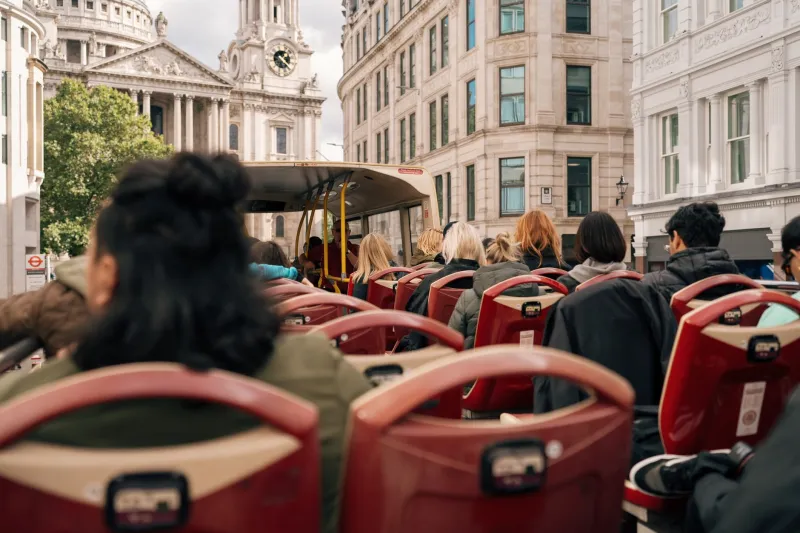
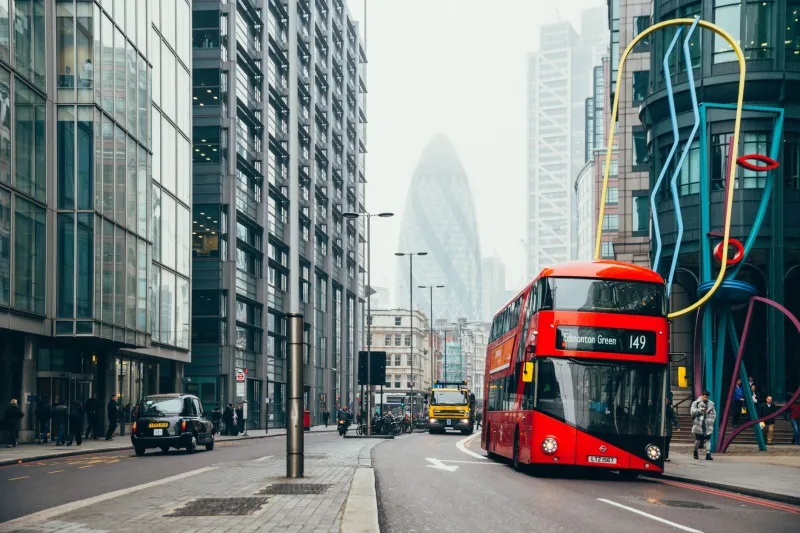
The bus is the honest option. It runs above ground, so you can see what is happening, but fog, ice and stalled traffic can slow it down. Buses also get diverted or stop short, which means your usual stop may not be served. If you are using a bus for a short hop, have a walking or Tube fallback in mind.
Walking is brilliant for short links in daylight and much less brilliant on untreated side streets after dark. If pavements are shiny, do not be a hero. Choose the main road, even if it adds three minutes. Use handrails on station stairs. Keep your phone in your pocket while crossing.
Pack for the day, not the apocalypse
A small, boring kit covers most winter problems: gloves that work on a touchscreen, a hat, a waterproof layer, shoes with decent grip, a power bank, a spare contactless card or Oyster, tissues and a small torch or phone light. Cold drains batteries, so charge your phone before you leave and keep it in an inside pocket where it stays warm.
If you carry a bag, keep the essentials in one place. Fumbling for a card with numb fingers at a ticket barrier is a small misery you can avoid.
Read the disruption notice in half a minute
TfL language is compact. Learn the difference between the phrases you will see most often.
Minor delays means leave a little more time. Severe delays means assume a different route if you can. Part suspended means check which end of the line is still running before you commit. No service between two stations means find the replacement bus, a nearby Tube line or a different plan altogether. Diverted on a bus route means your stop may be missed, so check the diversion and walk to a stop that is still being served.
If the notice is vague, ask station staff. They often know more than the screen does. And check again before you start the return leg. Winter disruption has a habit of arriving in the afternoon.
Build a day with hinges, not a rigid chain
Pick one anchor for the day: a museum, a market, a show, a lunch booking. Then pick one indoor fallback within a short walk. Cluster the rest of the day around those two points rather than stringing together five things that all depend on the same train.
Leave 20 to 30 minutes between fixed bookings. If a train is cancelled, that buffer turns a crisis into an inconvenience. If a bus is frozen in traffic, you can abandon it and walk to a Tube station. A good winter day has a bail point: a station, cafe or covered shopping arcade where you can stop, warm up and decide what to do next.
When the bus freezes, stop waiting
A bus that has not arrived is not always a bus that is coming. If the status page shows disruption and you have been waiting for 10 to 15 minutes in the cold, move. Walk to a main road with more routes, head to a nearby Tube station, or switch to a different part of your plan. Do not stand at a stop for half an hour hoping a ghost bus will appear.
If you are already on a bus that is stuck, get off at a safe stop if you can and reroute. Cold weather rewards decisiveness more than loyalty to a route.
Use the light you have
Winter darkness arrives early, so put outdoor bits before 15:30 where possible. Do the market, the walk or the view first. Save the museum, the gallery or the long lunch for the afternoon. Stick to well-lit main streets after dark, especially if the pavements are icy, and give yourself more time than you think you need around stations.
A simple cold-snap shape works well: outdoor walk in the morning light, indoor anchor before lunch, a meal near a transport hub, a second indoor stop in the afternoon, then an early, unhurried journey home or to a theatre with a buffer built in.
Winter London is manageable when the plan has slack. Check the status, choose the mode that suits the conditions, carry less than you think you need but carry the right things, and treat disruption as an edit rather than a disaster.