The Line You Leave: A Smarter Way to Spend a London Day
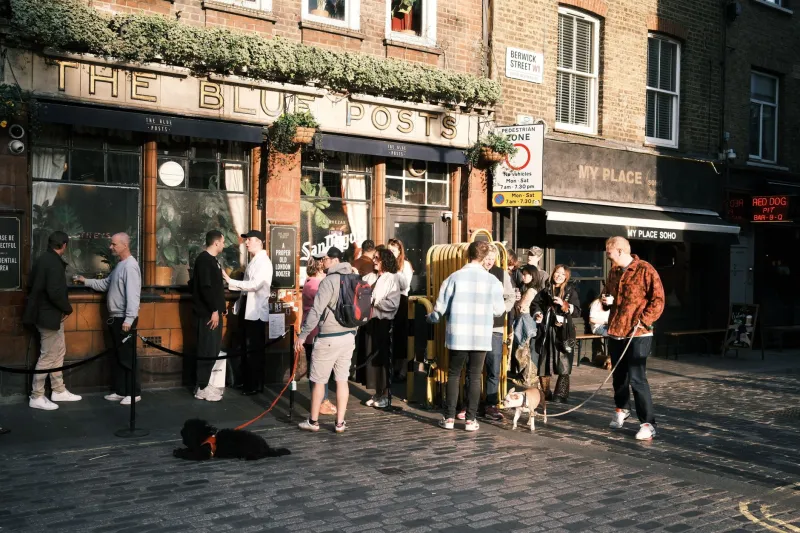
London has a complicated relationship with the queue. We treat it as a civic duty, a social contract and — on a bad day — the main event. But a queue is not an itinerary. It is a cost, paid in the one currency you cannot top up: time. The twenty-minute test is simple: if the quoted wait is over twenty minutes, or the line has not moved in ten, you need a better reason than 'we are here now' to stay. That is not impatience. It is editing.
A good London trip is built as much on what you skip as what you see. The trick is not to be ruthless for the sake of it, but to be honest about what the line is buying you. A timed booking, a once-in-a-decade exhibition, a table you have wanted for months — fine. A vague shuffle towards a famous doorway because it appeared on a list? Less fine.
The test is time, not stubbornness
The twenty-minute rule is not a magic number. It is a decision trigger. Under twenty minutes, you can usually absorb the wait and still have the day you planned. Over twenty, the queue starts eating into the next thing, and the next thing is often the better thing. The real warning sign is a line that is technically moving but practically static: six people every ten minutes, a quoted wait that keeps being revised upwards, staff avoiding eye contact with the back of the queue.
Ask yourself three questions. Is this the only reason I came to this area? Have I got something nearby that I actually want to do? And will I remember the wait, or just the thing at the end of it? If the honest answer is that the queue is the main event, walk. London is unusually good at rewarding the walk-away.
Attractions: the queue is not the attraction
Big-name museums and viewpoints are where the twenty-minute test earns its keep. The British Museum is free and brilliant, but a mid-morning security line can turn a quick look at the Rosetta Stone into a patience exercise. If the queue is out of the courtyard and not shifting, give yourself permission to leave. Sir John Soane's Museum is a short walk away, free, compact and genuinely strange in the best way. It feels like a discovery rather than a procession.
The Sky Garden is another classic. The view is free, but the security and lift queue can be the least scenic part of the morning. If the line is long, The Garden at 120 is a free rooftop nearby with a similar City panorama and usually a calmer arrival. For a museum day that has gone sticky, the Grant Museum of Zoology near UCL is small, free and happily odd — jars, skeletons, no grand staircase scrum.
This is not about avoiding famous places. It is about refusing to let one famous place own the whole afternoon. See the thing another time, or see the smaller thing now.
Cafes and pop-ups: hunger is a poor negotiator
Food queues have their own psychology. You are hungry, the place is tiny, and the person in front of you has just been told it is forty minutes. That is the moment to decide, not twenty minutes later when you are too invested to leave. If a café has a queue out of the door and no obvious movement, walk to the next street. London is dense with good coffee and decent lunch; the best meal is rarely the one you waited an hour for while your mood collapsed.
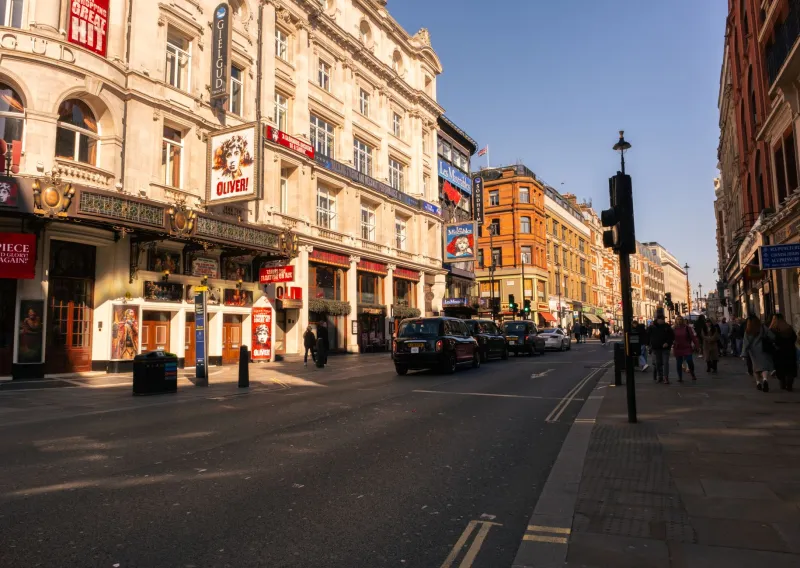
Covent Garden is a masterclass in this. The queue for a famous brunch spot can be longer than the meal. Seven Dials and Neal's Yard are two minutes away and full of smaller places where you can actually sit down. Borough Market is glorious and also a crush; if the queues at the hot-food stalls are backing up, Maltby Street Market on a weekend is a good alternative, or just graze the quieter edges of Borough rather than joining the central scrum.
Pop-ups are trickier because they are temporary and the queue is part of the event. Still, a pop-up with a sixty-minute line and a two-item menu is a choice, not an obligation. If you have come specifically for it, stay. If you have wandered in because it looked lively, take a photo, enjoy the atmosphere and spend your lunch money somewhere you can hear your companion.
Transport queues: the one place walking away usually wins
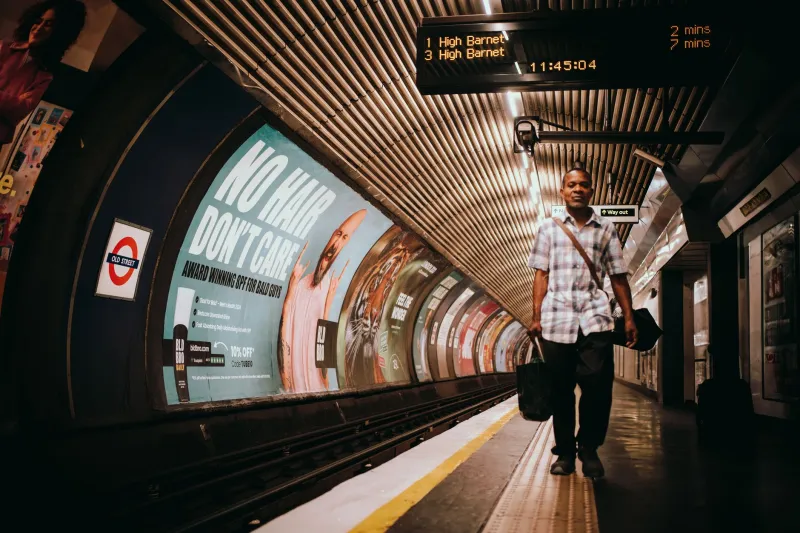
Transport is where the twenty-minute rule becomes genuinely practical. A queue for a ticket machine at a mainline station is almost always avoidable: use contactless, use the app you already have, or walk to the next set of machines. A queue for a lift at a Tube station is harder, especially with luggage or a pushchair. If the lift line is long and you are not wedded to that station, check the next step-free station or take a bus that avoids the interchange entirely. It is often faster than waiting for the same tiny lift with forty other people.
Bus queues at major stops can also be deceptive. If three buses have gone past full and the queue is not shrinking, walk one stop in the direction of travel. You will usually board sooner and see a bit more of the city. The same goes for taxi ranks after a big event: if the line is not moving, walk ten minutes away from the venue and try again. The meter starts later, but the evening starts sooner.
When to stay in line
There are legitimate reasons to ignore the twenty-minute test. You have a timed entry slot, so the queue is part of the booking. You have come specifically for this one thing and will regret leaving. The line is moving steadily and the wait is part of the atmosphere. You are with people who genuinely do not mind, and the day has no hard edges.
But be honest about the difference between a worthwhile wait and a sunk-cost shuffle. The fact that you have already waited fifteen minutes is not a reason to wait forty more. That is not commitment; it is accounting.
Keep a B-plan in your pocket
The simplest way to make the twenty-minute rule work is to have a swap ready before you need it. Not a full alternate itinerary — just one nearby place you would be happy to end up. A smaller museum, a different rooftop, a café two streets over, a bus stop that takes you somewhere else. London rewards this kind of loose planning. The day stays open, the queue loses its power, and you stop measuring a good trip by how long you stood still.
At London Travel Hub, the aim is smoother trips, not fuller ones. Sometimes the smoothest move is the one that takes you out of the line entirely.