Lifts, Ramps and a Riverside Finish: A Step-Free London Day That Holds Together

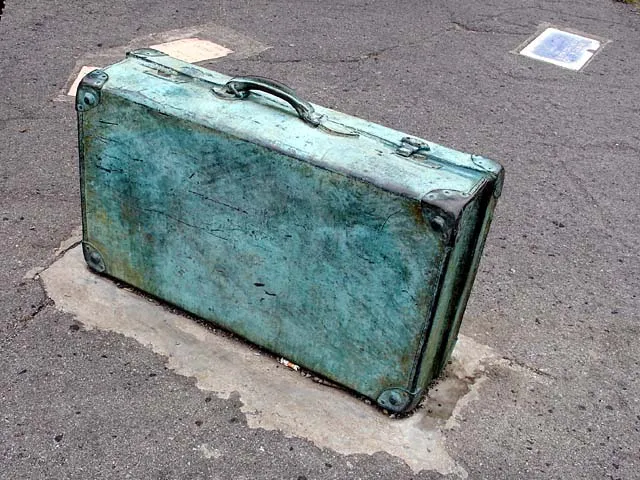
Photo: Cherryguy93, Public domain, via Wikimedia Commons
Step-free travel in London is not a switch you flick. It is a chain: lifts, ramps, level platforms, staff assists, bus drivers who know how to lower a ramp, and back-up routes when one link fails. One missing lift can change the shape of a day. That is not a reason to stay home. It is a reason to plan with more honesty and a lot more buffer.
Start with the chain, not the map
A major terminus is a good place to begin because it gives you options. St Pancras International is a sensible start for step-free travellers: it has lifts from the mainline concourse to the Underground, plenty of staff, and buses on the doorstep. But do not assume every Tube line is equally easy. Check TfL Go and the step-free Tube map on the morning itself. Look for lift outages, not just line delays. A closed lift at an interchange is a bigger problem than a five-minute delay.
The useful question is not: is this station step-free? The useful question is: is every part of my route step-free today? That includes the exit you plan to use, the platform you actually arrive on, and the pavement between the station and your first stop.
The route: St Pancras to the South Bank without heroics
Aim to start around 09:30, after the worst of the commuter crush. From King's Cross St Pancras, take bus 17 towards London Bridge. It is a low-floor bus with a wheelchair bay and space for a folded buggy or a small suitcase. The bus is often the calmer choice with luggage, and it gives you a ready-made backup if the Tube lifts are out. Allow 25 to 30 minutes.
If the lifts are working and you prefer the Tube, the Northern line to London Bridge is the obvious rail option. But check the specific lift status at both ends before you commit. On a bad morning, one broken lift can turn a simple journey into a tour of back corridors. The bus keeps the day moving.
At London Bridge, use the lifts to the concourse rather than hunting for an escalator. From there, follow signs towards London Bridge City Pier and the Thames Path. The walk to Tate Modern is mostly flat and paved, roughly 20 minutes at a gentle pace. Borough Market is tempting, but it is not step-free nirvana when busy: crowds, uneven surfaces and stop-start shopping do not mix well with wheels or a walking aid. If you want the market, go early and keep it short.
Platform gaps and the quiet carriage
On the Tube, the gap is not a metaphor. If you need a boarding ramp, ask staff at the platform. That is what they are there for. If a train arrives packed, let it go. There will be another. Board where you have room, not where the crowd is pushing. On buses, give the driver a moment to lower the ramp and wait until it is fully down. Do not rush the doors, and do not let a queue behind you hurry a manoeuvre you need to do safely.
Luggage is its own complication. Wheeled cases and escalators are a poor combination, so use lifts even when the escalator looks quieter. A folded buggy is easier on a bus than an unfolded one at a barrier. If you are travelling with a mobility scooter, check the vehicle type and the route in advance rather than assuming every bus on the line is the same.
Buffer times that stop the day unravelling
Add 15 minutes for every interchange and 30 minutes if it is your first time at that station. Add 10 minutes at each terminus for finding the right exit, the right lift and the right bus stop. Avoid 08:00 to 09:30 and 17:00 to 18:30 if you can. Book accessible toilets into the plan rather than hoping one appears at the right moment. And keep one simple backup in your pocket: a bus route that bypasses the Tube entirely.
A South Bank finish that stays relaxed
Tate Modern has step-free entrance and lifts, and the South Bank Centre is set up for step-free access too. The riverside walk between them is flat, open and easy to break up with a bench and a coffee. Finish with tea at the Royal Festival Hall or a late lunch near Waterloo. If you need to head home by Tube, check which entrance and lift you need before you leave the river. Waterloo is a major hub, but step-free access is not identical at every entrance.
The trick to a step-free London day is not pretending the city is perfect. It is building a route with enough slack that a broken lift is an inconvenience, not a crisis. Lift first, coffee later, and let the river do the rest.