Bag-Free Between Trains: What Left Luggage Actually Buys You in London
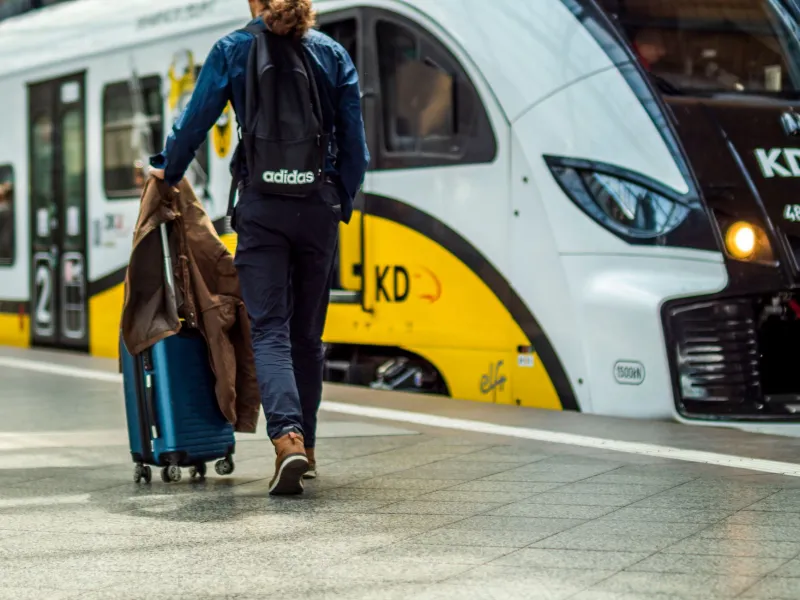
Most London day-out maths is about fares, coffee and whether the exhibition is worth £22. Left luggage rarely gets a column. Yet a rucksack can quietly rewrite the day: it rules out the tiny bakery, makes every staircase a negotiation and turns a two-stop Tube hop into a shoulder workout. If you are killing time before a train or flight, the question is not whether bag storage is convenient. It is whether it is worth the fee, the detour and the queue. The answer changes station by station.
The ledger has four lines, not one
Published prices are only the first line. The real cost is fee plus detour plus queue plus the small risk of a collection cut-off. A £7 locker 15 minutes in the wrong direction can cost more of your day than a £10 desk beside the platform. For 2026, expect walk-up left-luggage desks at big London stations to sit roughly £8–£12 per bag for a short hold, with oversized cases and longer storage pushing higher. App-based drops in shops and hotels often advertise £5–£9, but check booking fees, opening hours and whether the drop is a five-minute walk or a 20-minute wander. Hotel holds can be free for guests and £5–£10 for non-guests, though they are rarely a public service.
St Pancras: pay for the platform, not the postcode
St Pancras is the classic panic drop. You have a Eurostar at 16:00, you arrived at 09:00 and you want a coffee in Covent Garden. The station desks are obvious, well signed and open long hours, which is exactly why they charge for the privilege. If your train leaves from St Pancras, the convenience is real: drop, wander, collect, walk to check-in. If your day is centred on the South Bank or Westminster, you are paying twice: once for the bag and again for the Tube back. A nearby app drop around King’s Cross can shave a few pounds, but only if the opening hours actually cover your return. The station desk wins on certainty; the app wins on price. Neither wins if you have to sprint back.
Paddington: only if the day leans west
Paddington serves Heathrow Express, GWR and the Elizabeth line, so it attracts a particular sort of traveller: one with a suitcase and a timetable. A left-luggage desk here makes sense if your day is in Notting Hill, Kensington or the museums. It makes much less sense if you are heading to the City. The station is big enough that finding the desk can eat ten minutes, and the walk from the Elizabeth line platforms is not trivial. An app-based drop near Paddington can be cheaper, but check whether it is on the station side you actually need. If you are returning for a train at Paddington, the station desk is the low-friction choice. If you are ending the day at Liverpool Street, drag the bag or choose a drop on your route.
Waterloo: the split decision
Waterloo is a station of two moods: the main concourse and the South Bank exit. Left luggage here works well if your day is the South Bank, the London Eye or a theatre matinee. It works badly if you are going to the West End and then coming back. The station is vast, queues can swell around peak times, and the difference between the two exits can add a surprising walk. App drops around Waterloo and the South Bank can be a better fit because they put the bag where you are actually going. The trade-off is opening hours: a shop-based drop may close before your evening train. For a late departure, the station desk is usually the safer bet, even at a higher price.
Liverpool Street: the City stopover
Liverpool Street is the Stansted Express and Greater Anglia gateway, and it has become a smarter station than its reputation suggests. If you have a few hours before a flight and want Spitalfields, Shoreditch or the Barbican, a bag drop here is genuinely useful. The station desks are convenient but priced for the captive audience. App-based drops in the surrounding streets can be cheaper and closer to your first coffee. The catch is the return: Liverpool Street has multiple entrances and the walk from a shop drop to your platform is not always obvious. Give yourself a buffer. If your flight is from Stansted, remember that the train is not the place to discover your bag drop closed early.
Hotel holds and app drops: the quiet middle
If you are staying in London, your hotel is often the cheapest locker in town. Many hotels will hold bags before check-in and after check-out for free, though some now charge £5–£10 per bag or restrict it to guests. Ask at booking, not at the desk with a queue behind you. App-based drops work well when you want to store near your day rather than near your station. They are usually shops, cafés or hotels with spare space, so hours are more human and less railway. Read the reviews for the actual door, not just the postcode. A drop that is 200 metres from the Tube but behind a locked courtyard is not a drop; it is a treasure hunt.
The decision rule
Here is a simple test. Pay to ditch the bag only if three things are true. First, you have at least three hours between drop-off and collection. Second, the drop is within a ten-minute walk of where you will spend most of that time. Third, the fee works out at £2 or less per bag-free hour. If you are paying £10 for four hours, that is £2.50 an hour: still reasonable for a station desk, but only if it saves you a detour. If you are paying £10 for two hours, keep the bag. The two-stop test is a useful backstop: if the drop adds more than two Tube stops or a bus change to your route, skip it.
A worked example
Say you arrive at St Pancras at 10:00 for an 18:00 train and want to spend the day around the South Bank. A station desk at £10 means a Tube to Waterloo, then back to St Pancras. An app drop near Waterloo at £7 means you walk to your first stop, not away from it. You are £3 ahead and maybe 30 minutes ahead. Now say your train is at 14:00. You have four hours, but two are eaten by transfer and lunch. The station desk is the only sensible option, and only if the queue is short. If the queue is 20 minutes, keep the bag and choose a closer lunch.
Small print worth reading
Check the size limit before you book. A 'large locker' is not a magic portal. Check collection hours against your train, especially on Sundays and around Christmas. Keep passports, tickets and medication with you. Use staffed desks or established apps, not a stranger’s cupboard advertised on a lamppost. And take a photo of the drop location and your receipt; the end of a long day is not the moment to test your memory.
Left luggage is not a tax on tourists. It is a small purchase of freedom. The trick is to buy it where you need it, not where the station happens to be. A bag-free afternoon is worth paying for; a bag-free hour spent queueing is not.