Meet Me in the Middle: A Zone 2 Playbook for London Days
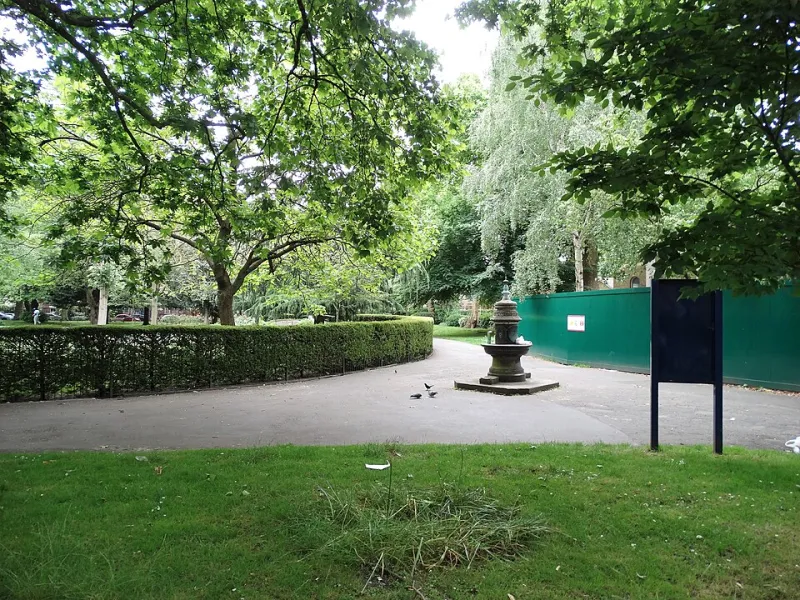
Photo: Neil Theasby , CC BY-SA 2.0, via Wikimedia Commons
Most London itineraries treat Zone 1 as the stage and everywhere else as the wings. You arrive, you head for the middle, you tick off the big sights, and you leave. It works — up to a point. But in 2026, with central pavements feeling busy for more of the year, the second ring is worth a proper look. Zone 2 is not the suburbs. It is the bit where London loosens its collar: still connected, still lively, but with a little more room to breathe.
The idea here is not to avoid Zone 1 altogether. That would be daft. It is to stop treating it as the only centre of gravity. Used well, a Zone 2 stop can be your starting point, your lunch break, your interchange shortcut or the place you end up when the evening gets going. Think of it as the hinge of the day rather than the headline.
Why the second ring earns its keep
Zone 2 stations tend to do three useful things at once. They connect you to the centre without dumping you straight into it. They often sit on quieter lines or at calmer interchanges. And they give you a fighting chance of finding a coffee, a bench or a decent lunch without queuing behind a tour group.
Take Bethnal Green. It is two stops from Liverpool Street on the Central line, but it feels like a different pace. The Young V&A is there, Roman Road has proper local lunch options, and you can walk into Victoria Park without crossing a single central London traffic jam. Or look at Bermondsey: Jubilee line, Zone 2, and a short walk from Maltby Street Market and the quieter end of Bermondsey Street. You are not in the middle of things, but you are close enough to drift in when you want to.
The trick is to use Zone 2 as a hinge, not a hideout. Start there, walk from there, or change there. Do not spend the day circling a station just because it is quieter.
The money question: when Zone 2 actually saves
Contactless fares in London are based on the zones you travel through, not simply where you start and finish. That means avoiding Zone 1 can trim the cost of some journeys — but only if the route genuinely avoids it. A clever-looking detour that clips through Zone 1 is not a saving; it is just a longer way round.
So check before you commit. If you are going from one Zone 2 station to another, the TfL journey planner will show you whether a non-Zone 1 route exists and whether it is worth the extra time. Sometimes it is. Sometimes the direct train through the middle is faster and the difference is pennies. Do not turn your day into a fare puzzle for the sake of 40p.
Where Zone 2 really pays off is in what it lets you avoid: two extra Tube hops, a sweaty interchange at Oxford Circus, or a long walk back to a central station at the end of the night. A Zone 2 base can also take the edge off accommodation costs, though always weigh that against the time you will spend travelling in.
Museum day: start east, drift west
A good Zone 2 museum day does not try to do the whole South Kensington triangle. Instead, start at Bethnal Green and work your way in.
Begin at the Young V&A, which is free and genuinely good for a mixed-age group. Have lunch on Roman Road or near Victoria Park — somewhere with tables and no queue. Then take the Tube or a bus to Whitechapel Gallery, which is small enough to enjoy without museum legs setting in. If you still have energy, the DLR from Shadwell to West India Quay puts the Museum of London Docklands within easy reach.
What makes this work is that you are not ping-ponging across the city. You are moving in one direction, with Zone 2 stations doing the heavy lifting. The day ends near Canary Wharf or Stratford, where getting dinner is easy and getting home is easier.
Market crawl: Bermondsey before Borough
Borough Market is wonderful and crowded. The trick is to approach it from the quieter side.
Start at Bermondsey station, which is Zone 2 and a short walk from Maltby Street Market on weekends. Spa Terminus, on Saturdays, is another low-key option for cheese, coffee and bakery stops. From there, walk via Bermondsey Street towards Borough Market. It is a proper London walk: old warehouses, railway arches, a few pubs that look like they have been there since the Victorians.
By the time you reach Borough, you will have already eaten something good and avoided the worst of the midday crush. Arrive before noon or after two if you want to browse without apologising to strangers every four seconds. And when you leave, London Bridge is right there — but you can also walk back to Bermondsey if the day is fine and your legs are willing.
Evening out: begin wide, end easy
Zone 2 is especially useful after dark. Central London at 11pm is a scrum of people all trying to get on the same few trains. Zone 2 gives you options.
Try an early dinner in Brixton Village, then a drink somewhere near Clapham Common, and let the Northern line take you home. Or start in Hackney Central, eat near London Fields, and use the Overground to connect back to Highbury & Islington. Stratford and Canary Wharf are also underrated for an evening out: plenty of places to eat, easy transport, and no need to fight through the West End at chucking-out time.
The principle is simple: begin where it is easy to get a table, and end where it is easy to get a train. Zone 2 stations often give you both.
The rest-point trick
One of the most underrated uses of Zone 2 is as a rest point. Central London is brilliant at separating you from your money and your seat. Zone 2 stations tend to have quieter cafés, small parks and benches that are not immediately claimed by a street performer.
A rest point is not wasted time. It is what stops a day from becoming a forced march. Build one in around 2pm, especially if you are travelling with children or anyone who needs a proper sit-down. Pick a station with a decent café nearby — Bethnal Green, Hammersmith, Clapham Common, Canada Water — and give yourself twenty minutes without a map.
Build your own in-between day
You do not need a rigid plan. Just follow a few rules.
Pick one Zone 2 anchor: a market, a museum, a park or a good lunch spot. Check whether your route actually avoids Zone 1, and whether that matters for the fare. Plan one walk between two stops rather than three Tube hops. Leave the big central sight for early morning or late afternoon, when the crowds thin. And keep your return journey simple — one line, one change at most, no heroic late-night navigation.
Zone 2 is not a secret. It is just often overlooked. Treat it as part of the day rather than a place you pass through, and London starts to feel a little less like a checklist and a little more like a city you can actually move around.