The Thames as a Shortcut: River Bus Hops That Earn Their Fare
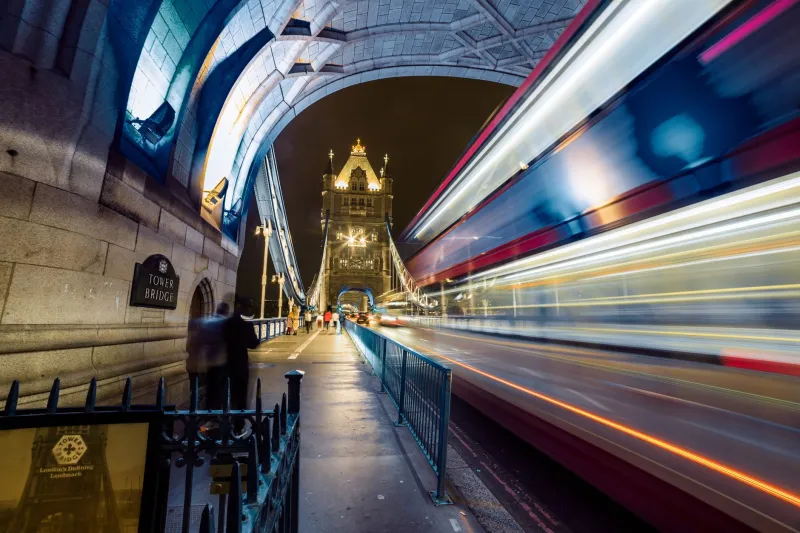
London has a bad habit of treating the River Bus as a tourist ride with a transport problem. You see the photos: sunset, Tower Bridge, a glass of something cold. Lovely. But the River Bus is also a real service, used by people who just want to get from one side of the city to the other without changing at Bank. The trick is knowing which trips make sense — and which ones quietly cost you forty minutes and a damp jacket.
This is not a sightseeing guide. It’s a decision guide. Think of the Thames as another line on the map, with its own fares, its own waits and its own weather. Sometimes it beats the Tube. Often it doesn’t. Both outcomes are fine, as long as you choose on purpose.
First, the fare bit that catches people out
The River Bus — currently operated as Uber Boat by Thames Clippers — accepts contactless and Oyster, but it does not behave like the Tube. River Bus fares sit outside the normal TfL zonal caps, so a day of hopping on and off the river will not be capped in the same way as a day on the Underground and buses. Check the current fare at the pier or in the operator’s app before you travel, and treat it as its own ticket system rather than an extension of your contactless card’s usual generosity.
That matters because the river is easy to romanticise. A short hop can look cheap until you realise you’ve paid a separate fare for a journey that would have been two stops on the Jubilee line. Neither choice is wrong. But if the plan is to save money, the Tube usually wins. If the plan is to arrive somewhere pleasant without changing trains, the river starts to make sense.
Where the River Bus genuinely earns its keep
The river wins when both ends of the trip are close to piers, and the Tube alternative involves a change, a long walk or a crowded interchange. It is less about raw speed and more about effort.
A good example is London Bridge City to Canary Wharf. If you’re already on the South Bank near London Bridge, the pier is right there, and Canary Wharf pier drops you into the estate rather than at the top of a shopping centre. The Tube can be quick, but the river gives you a seat, space and a direct line. For anyone carrying a bag or travelling with someone who finds deep escalators tiresome, that’s a real gain.
Tower to Greenwich is another sensible one. The DLR is often the faster answer, but it can involve a change and a scrum. The river is direct, and Greenwich pier puts you near the Cutty Sark end of things rather than halfway up a hill. If you’re going to Greenwich anyway, the boat can be the day out and the transport at the same time. Just don’t pretend it’s the fastest option in the cold.
Blackfriars or Bankside to Canary Wharf can also work well, especially if your destination is the eastern end of the South Bank or you fancy arriving by water. The key test is simple: would you otherwise be doubling back, changing lines or walking fifteen minutes from a station? If yes, check the boat.
When it’s a scenic detour, not a shortcut
Short central hops are where the river quietly loses. Westminster to London Eye Pier, or London Eye to Bankside, looks wonderful on paper. In practice you need to get to the pier, wait for the next boat, board, sail for a few minutes and then walk from the pier at the other end. By the time you’ve done that, you could have walked along the South Bank or taken the Tube and been sipping tea.
Use the river for short hops only when the boat is the point. If you’re showing someone London for the first time and the budget allows, a Westminster to Greenwich run is a lovely way to see the city rearrange itself. If you’re trying to get to a restaurant booking in twenty minutes, take the Tube.
Also be honest about the weather. The boats have inside cabins, but the piers are exposed. Wind funnels down the Thames, rain blows sideways, and some piers have ramps that feel steeper depending on the tide. A river trip in February is a different proposition from one in June. Neither is bad — just dress for the pier, not the postcard.
How to slot a Thames hop into a normal London day
The best River Bus trips are one-way. Pick a route that moves you roughly in the direction you already wanted to go, then come back by Tube or DLR when you’re tired. A return boat trip can turn into a waiting game, especially off-peak when frequencies stretch out.
Check the last sailings before you commit to an evening plan. River Bus services finish earlier than the Tube, and a late theatre finish is not the moment to discover that the next boat is tomorrow. If you’re using the river as transport, it should get you to the thing you’re doing, not become the thing that stops you doing it.
Pier choice matters too. Some piers are step-free; some involve stairs or slopes. Some sit right beside a station; others leave you with a ten-minute walk through a wind tunnel. If step-free access is essential, check the specific pier before you travel rather than assuming the boat will solve the problem.
A worked example: Bankside to Greenwich
Say you’re starting near Tate Modern and want to spend the afternoon in Greenwich. You could take the Tube to London Bridge, change to the Jubilee line, change again for the DLR, and arrive feeling like you’ve done a small commute. Or you could walk to Bankside Pier, take the boat east, and arrive at Greenwich Pier with the Cutty Sark in front of you.
The boat is not automatically faster. But it is one seat, one view and no interchange. You get off near the market, the park and the shops. Come back by DLR to Bank if you want speed, or take the boat back if the light is good and you’ve nowhere urgent to be. That’s the sensible way to use the river: one direction as transport, the other as a treat.
The quick decision checklist
Before you walk to a pier, ask yourself: are both ends close to where I actually want to be? Would the Tube require a change I’d rather avoid? Is the next boat soon, or am I about to lose twenty minutes waiting? Is the weather tolerable for an exposed pier? And have I checked the fare and the last sailing?
If the answers line up, the River Bus is a genuinely smart way to cross London. If they don’t, the Tube will still be there, running underground and entirely unbothered by the wind. Use the river when it buys you something — space, a direct route, a decent view — not just because it looks nice in a photograph. That’s when a Thames hop stops being a detour and starts being part of a smoother London day.