Nine Minutes That Work, Four That Don't: A Realistic Guide to London Interchanges
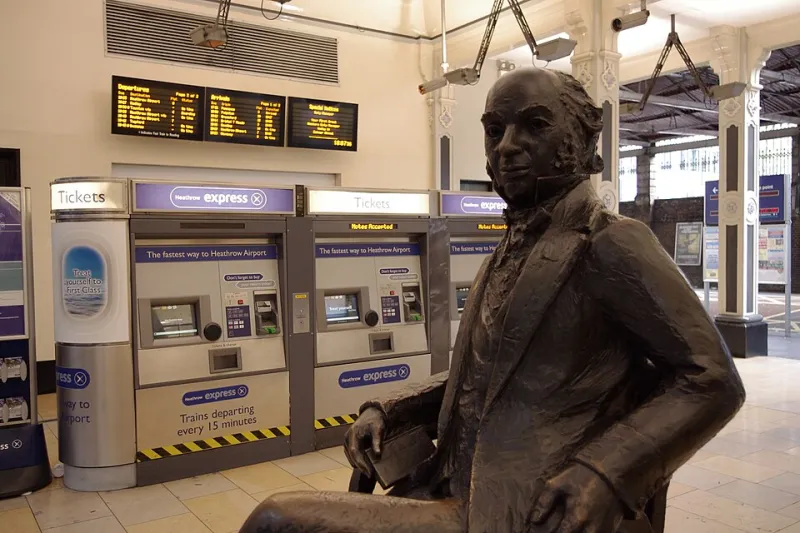
Photo: mattbuck (category), CC BY-SA 3.0, via Wikimedia Commons
There is a particular kind of optimism that makes a person book a nine-minute connection at Paddington. It looks fine on the app. It is fine, in the sense that a train will exist on either side of it. Whether you will be on the second one is a different question entirely.
Winter is when this matters most. Daylight is short, weekend engineering work is common, and a missed connection in the dark with a case is a much worse experience than the same thing in June. So it is worth knowing which London interchanges are generous and which are quietly working against you.
Why the timetable is only half the story
Rail planners work to minimum connection times, which assume you know the station, walk at an adult pace and are not towing anything. They do not know that the platform was announced late, that you need a ticket machine, or that the lifts at a deep-level station are one small car doing the work of a staircase.
The gap between the published number and the real one is the space where itineraries fall apart.
The ones that reward a tight change
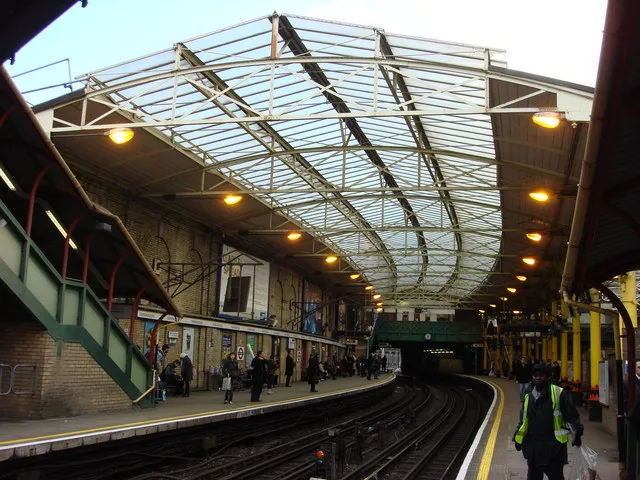
Farringdon. One of the best in London and criminally underrated. Thameslink runs at surface level, the Circle, Hammersmith & City and Metropolitan lines sit alongside it, and the Elizabeth line is a short lift-and-escalator ride below. A four-to-six-minute change is genuinely realistic here, and it is the reason so many sensible cross-London plans run through it.
London Bridge. Jubilee and Northern line platforms to the mainline concourse is a straightforward four or five minutes, all inside, with lifts that actually work. Changing between those two Tube lines is also quick.
Tottenham Court Road. Central and Northern lines to the Elizabeth line in three or four minutes, all under one roof. The platforms are long, so add a minute if you are at the far end.
Bond Street. The Elizabeth line platforms are deep, but the escalators are fast and the walks are short. Five minutes is fair.
Liverpool Street. Elizabeth line to the mainline station is five to seven minutes entirely indoors, which sounds like a lot until you remember it is raining sideways outside.
The ones that eat your afternoon
Paddington. The mainline concourse to the Elizabeth line is a proper walk through the newer western entrance, and the Circle and Hammersmith & City platforms on the north side are a good five to eight minutes away. The Bakerloo is deeper still. Treat Paddington as a fifteen-minute interchange and you will be pleasantly surprised rather than furious.
Euston. Two problems at once. Platforms are typically announced only ten to twenty minutes before departure, so the concourse fills and then surges, and the ongoing rebuilding work has made the circulation space tighter than the drawings suggest. Add that Euston Square, on the Circle and Metropolitan, is a six-to-eight-minute walk up the street rather than a connection, and you have a station that punishes anything under a quarter of an hour.
Waterloo. The Underground is right beneath the concourse, which is lovely. But the station is enormous, Waterloo East is a separate building reached by a footbridge, and the former international platforms are a long way from the suburban ones. Ten minutes minimum, fifteen if you are changing to a Southeastern service at Waterloo East.
King's Cross St Pancras. The Underground station here is a warren, and King's Cross mainline to St Pancras means crossing the road or taking the passage. Five or six minutes between the two mainline stations is realistic; reaching the right Tube platform can add another five. If you are catching a Eurostar, forget tight entirely — standard ticket holders are asked to be there around seventy-five minutes ahead.
Bank and Monument. Technically one station. Practically a series of corridors. Avoid changing here with luggage unless you enjoy a challenge.
Luggage changes the arithmetic
Add ten minutes for a wheeled cabin bag, because lifts and escalators mean waiting rather than walking. Add fifteen to twenty for anything bigger, especially at deep stations where the lift is the only way out. If your plan involves stairs and a heavy case, it is not a connection, it is an event.
The ticket maths nobody mentions
A tight change is only cheap if your ticket forgives you. An Advance single is tied to a specific train; miss it and you may be buying a new fare on the day. An off-peak or anytime ticket lets you shrug and get the next one.
If you are travelling on one through ticket and the first leg is delayed, you are covered under the National Rail Conditions of Travel. Two separate tickets bought to save a few pounds do not offer the same protection, which is worth remembering before you shave ten minutes off a change to make a split work.
Rules of thumb worth carrying
- Ten minutes minimum for a Tube-to-mainline change at a terminus, with no luggage.
- Fifteen with a cabin bag, twenty with a case.
- Twenty-five to thirty at Paddington, Euston or Waterloo.
- Add ten if you need to collect tickets or buy anything.
- Never make the last train of the night a tight connection.
Building a day that holds together
Pick one anchor interchange per day and let everything else be flexible. Prefer through trains where you can. Use the Elizabeth line as a spine rather than a series of hops, and keep the fixed-time commitment early, so a delay costs you an hour rather than an evening.
A plan that works: mainline arrival at Paddington, fifteen minutes of slack, Elizabeth line to Farringdon, then Thameslink north. Another: Eurostar into St Pancras, Thameslink down to Farringdon, Elizabeth line west. The common thread is that both rely on interchanges that behave themselves.
Good London itineraries are not built on the fastest possible connection. They are built on the one you will still make when the platform is announced late and the lift is full.